Tablecloth Measurement Overview
This guide helps you determine the exact tablecloth size and skirting needed for any table. First, measure the table: for round tables, record the tabletop diameter and height; for rectangular, oval, or square tables, measure length, width, and height. Accurate measurements ensure proper fit for event

Purpose and Scope of the Guide
This guide provides a concise, step‑by‑step method for determining the correct tablecloth size and skirting for any dining surface. It explains how to measure round, rectangular, oval, and square tables, covering diameter, length, width, and height measurements. The guide also outlines drop‑length ranges for formal and casual settings, offers fabric‑weight recommendations, and lists common measurement errors to avoid. By following these instructions, users can confidently select a tablecloth that fits perfectly, enhances the table’s appearance, and meets the functional needs of both everyday meals and special occasions.
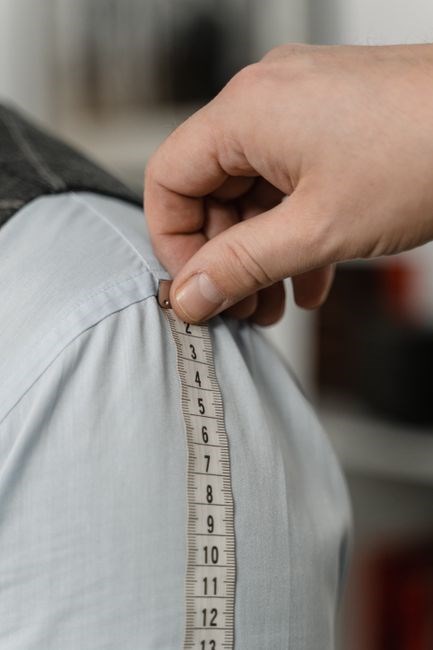
To begin, gather a flexible measuring tape, a pencil, and a notepad. Measure the tabletop’s width and length for rectangular tables, or the diameter for circular ones. Record the height from the floor to the tabletop surface. These raw numbers form the basis for calculating the required cloth dimensions, ensuring the fabric drapes evenly and covers the table without excess or shortfall.
After measurements are recorded, calculate the cloth width by adding the desired drop length to the table’s width, and the cloth length by adding the drop length to the table’s length. For round tables, double the diameter and add the drop length twice. Always round the final numbers to the nearest whole inch or centimeter, depending on your measurement system, to avoid cutting errors and ensure a professional finish.
Finally, consider the table’s style and the event’s tone when choosing drop length and fabric weight. A formal dinner may call for a 12‑18 inch drop, while a casual brunch might only need a 6‑8 inch drop. Light, sheer fabrics work well for airy, informal settings, whereas heavier linens provide a polished, timeless look for upscale gatherings.
When selecting drop length, remember that longer drops create a more formal look, while shorter drops suit casual settings. Adjust fabric weight accordingly to balance visual appeal and practicality.
When selecting drop length, remember that longer drops create a formal look; shorter drops suit casual settings. Adjust fabric weight to balance style and function. now!!
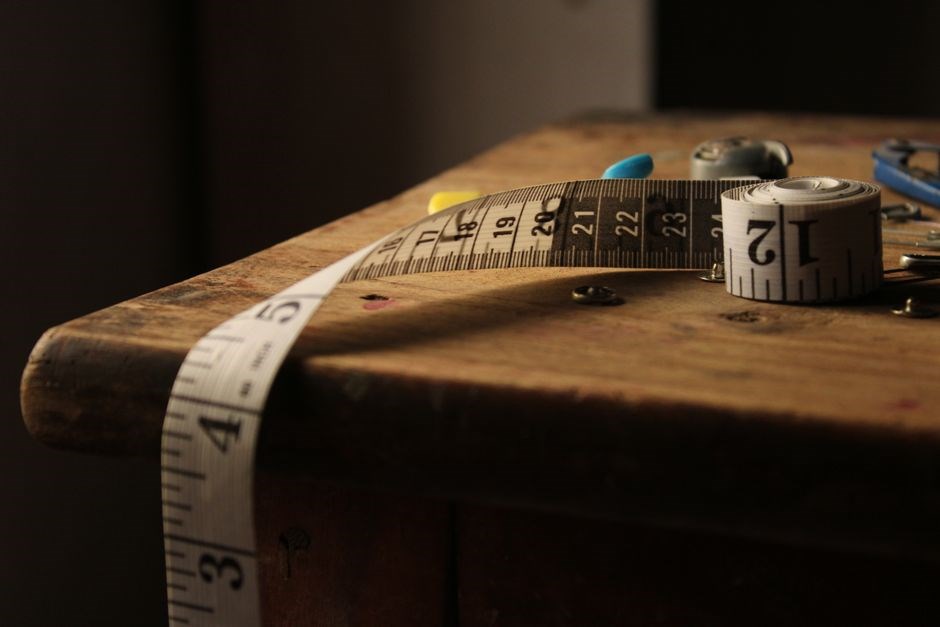
Table Shape Considerations
Choosing the right tablecloth size depends on table shape. For round tables, use diameter; for rectangular or oval, use length and width. Measure each dimension accurately, then add the desired drop length to both sides. This ensures a balanced, symmetrical drape. It also considers height variations.
Impact of Geometry on Cloth Size
When selecting a tablecloth, the table’s shape determines the required fabric area. A circular table demands a single diameter measurement; the cloth’s radius must extend beyond the edge by the chosen drop length, resulting in a circular area that grows with radius. Square tables simplify calculations; equal length and width allow a balanced drop and visual impact. Understanding geometric relationships helps avoid over‑or under‑sizing, ensuring a balanced appearance and optimal use of fabric for dinner in any room. Additionally, the angle at which a table sits—whether it is level or has a slight tilt—can influence how the cloth drapes and whether the drop remains uniform. When a table is uneven, the cloth may sag or pull on one side, creating an asymmetrical look. In formal settings, a longer drop is preferred to create grandeur, whereas casual gatherings may opt for a shorter, modest fall. The choice of fabric weight interacts with geometry: lighter fabrics drape more fluidly over curved surfaces, while heavier fabrics maintain a crisp edge on rectangular tables. By carefully considering each of these factors—shape, drop length, table tilt, and fabric weight—one can calculate a precise cloth size that not only fits the table but also enhances the aesthetic of the space.
Measuring Round Tables
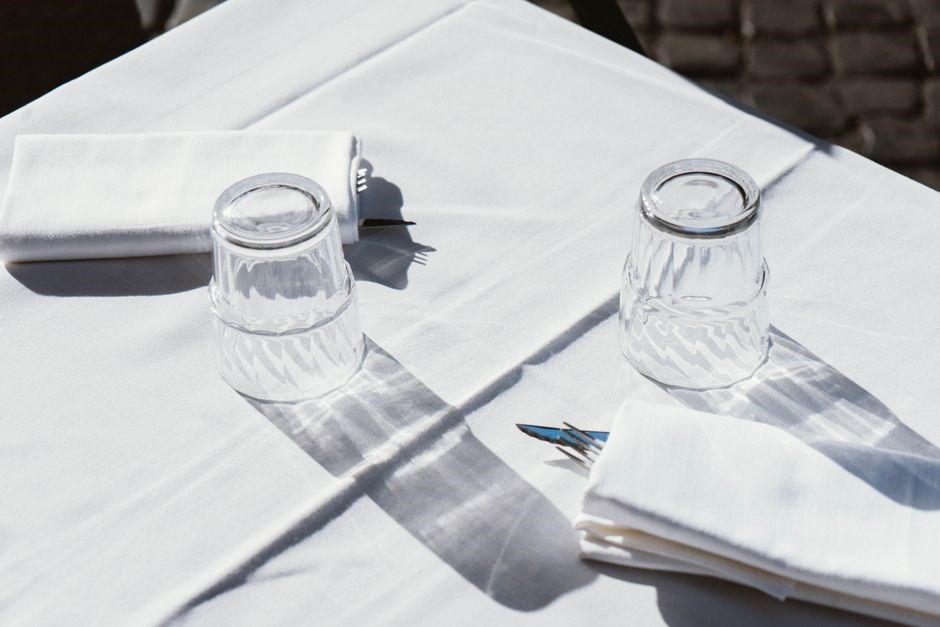
To measure a round table, first find the tabletop diameter by measuring across the center. Then measure the table height from floor to top. Add the desired drop length to the radius to calculate the cloth radius. Use these values to select a cloth that fits comfortably. Use a tape measure precision.
Diameter and Height Measurement Steps
Step 1: Position a flexible tape measure at the edge of the tabletop, ensuring it is level and straight across the center. Measure from one edge to the opposite edge to capture the full diameter. Record the measurement in inches or centimeters, depending on your preference. This single reading represents the table’s width at its widest point.
Step 2: For height, place the tape measure vertically against the table leg or base. Extend it from the floor to the top of the tabletop surface. If the table has a decorative base, measure to the highest point of the base to account for any additional height that may affect the cloth’s drape.
Step 3: Verify both measurements by repeating each twice. If the readings differ by more than 0.5 inches (1.27 cm), remeasure to ensure accuracy. Consistent data guarantees a cloth that fits without excess or insufficient coverage.
Step 4: Add your desired drop length to the radius (half the diameter) to calculate the required cloth radius. Multiply by 2 to find the total width needed for a full circle. Use this figure to select a cloth that will hang evenly around the table;
Step 5: Record all measurements in a table or spreadsheet for future reference. This organized approach simplifies choosing the correct size and reduces the risk of ordering an incorrect cloth.
Remember to double‑check all measurements before cutting. A small error can lead to a tablecloth that hangs too short or too long, disrupting the table’s aesthetic. ensure a flawless finish!
Measuring Rectangular or Oval Tables
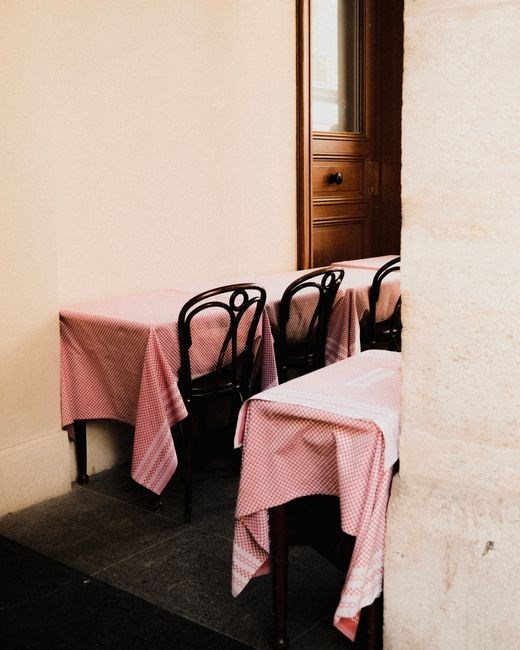
Measure length and width with a tape, placing it at the edges for straight readings. For oval shapes, measure the longest diameter and the widest width. Record both values, then add your desired drop length to each dimension to calculate the cloth size. Now.!!
Length, Width, and Height Measurement Steps
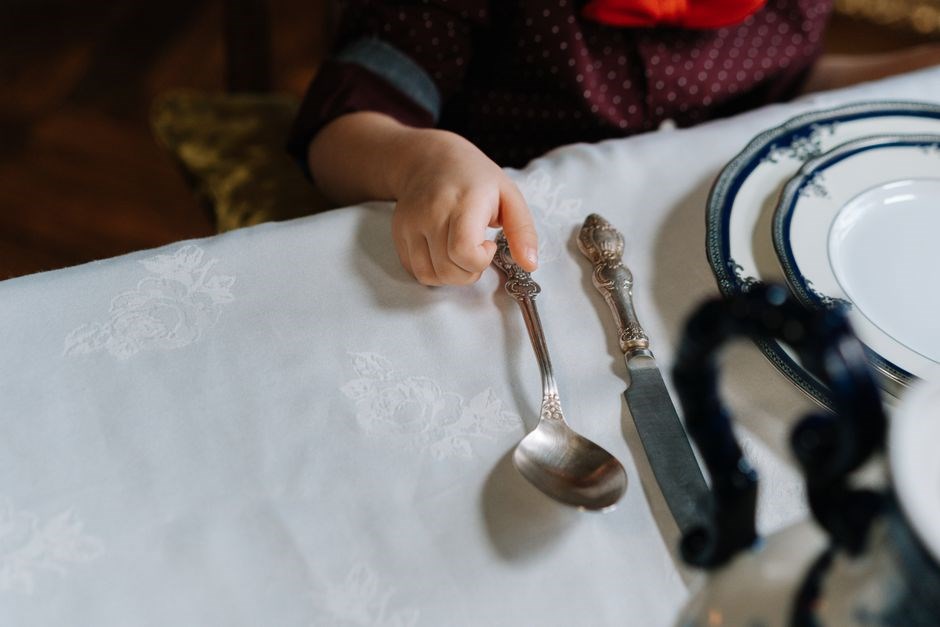
Begin by selecting a sturdy, flexible tape measure. Place the tape’s zero mark at one end of the table’s longest side, ensuring the tape lies flat against the tabletop surface. Extend the tape to the opposite end, keeping the tape level and taut, and record the measurement in your preferred units (inches or centimeters). This gives the table’s length. Repeat the same procedure on the table’s shorter side to determine its width, again keeping the tape level to avoid skewed readings. For oval or round tables, identify the major axis—the longest straight line that can be drawn across the table—and measure that span. Then locate the minor axis—the widest point perpendicular to the major axis—and measure that as well. Once length and width are captured, proceed to measure the table’s height. Place the tape measure on the floor and extend it vertically to the tabletop edge. If the table has a raised lip or rim, measure from the floor to the top of that lip for a more accurate representation of the table’s usable height. Finally, compile all three dimensions—length, width, and height—into a single reference list. These precise measurements form the foundation for calculating the appropriate tablecloth size, ensuring a clean, tailored fit that accommodates both formal and casual dining settings.
When measuring, always double‑check each dimension by measuring twice and taking the average to reduce human error. Use a ruler or a laser distance meter for extra precision, especially for large banquet tables. Record measurements on a sheet or a digital note for reference. Thank you.
Storage keeps cloths wrinkle‑free. Fold the cloth in thirds, then roll it loosely, placing a weight on top to maintain shape. Store in a cool, dry place away from direct sunlight. When ready to use, unroll gently, smooth out creases, and hang gently the cloth on a hanger to preserve its length and drape.
Drop Length Guidelines
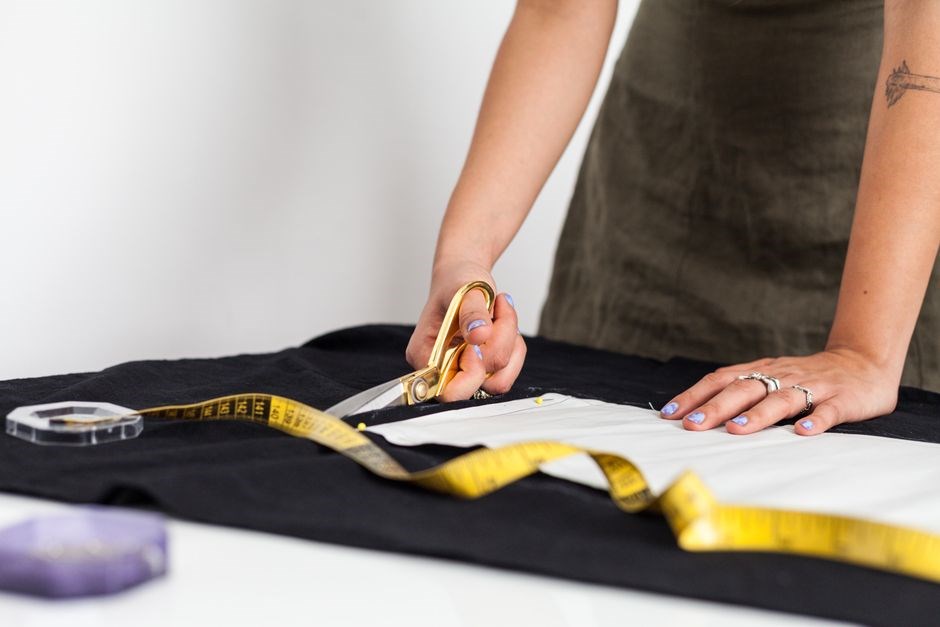
Tailor drop to décor, ensuring cloth drapes graces without excess.
Standard Drop Ranges for Formal and Casual Settings
To fine‑tune a drop, first note the table’s height. A standard dining table sits at 28–30 inches (71–76 cm). If the table is taller, a longer drop may be needed to maintain visual balance; if it is shorter, a shorter drop prevents the cloth from hanging too low. Many designers add 2–4 inches (5–10 cm) to the base drop for formal settings, while casual tables add 0–2 inches (0–5 cm). When using a drop calculator, input the table’s dimensions and desired drop; the tool will output the exact cloth size needed. Always measure the table’s circumference or perimeter, then add twice the drop length to determine fabric width. For round tables, multiply the diameter by π and add the drop; for rectangular tables, add the length and width. This systematic approach ensures a precise fit and a polished look for any event.
To fine‑tune a drop, first note the table’s height. A standard dining table sits at 28–30 inches (71–76 cm). If the table is taller, a longer drop may be needed to maintain visual balance; if it is shorter, a shorter drop prevents the cloth from hanging too low. Many designers add 2–4 inches (5–10 cm) to the base drop for formal settings, while casual tables add 0–2 inches (0–5 cm). When using a drop calculator, input the table’s dimensions and desired drop; the tool will output the exact cloth size needed. Always measure the table’s circumference or perimeter, then add twice the drop length to determine fabric width. For round tables, multiply the diameter by π and add the drop; for rectangular tables, add the length and width. This systematic approach ensures a precise fit and a polished look for any event for all needs.
Fabric Weight and Transparency
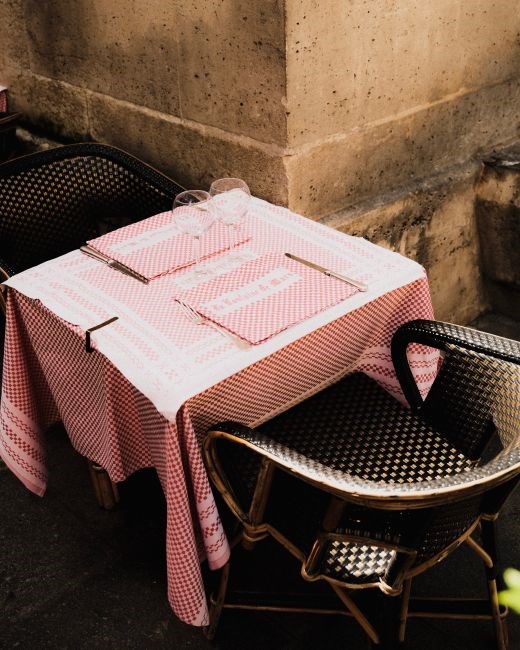
Fabric weight, measured in ounces per square yard, dictates drape and durability. Light linens (6–8 oz) offer airy transparency for casual décor, while heavier wools (12–16 oz) provide opacity and structure for formal events. Choose weight to match table height and desired opacity. Ideal for weddings
Choosing Appropriate Fabric for Desired Aesthetics
When selecting a tablecloth, consider the event’s tone, the table’s height, and the desired level of opacity. Light fabrics such as cotton or linen (6–8 oz per square yard) drape gracefully and allow ambient lighting to create a subtle sheen, ideal for casual or garden settings. Medium‑weight wools (10–12 oz) offer a richer, more structured look, suitable for formal dinners or winter gatherings. Heavy fabrics (14–18 oz) such as velvet or brocade provide maximum opacity and a luxurious feel, perfect for black‑tie affairs. Color choice should complement the table’s finish and surrounding décor; neutral tones enhance elegance, while bold hues add visual interest. Patterned fabrics—floral, geometric, or abstract—can introduce personality but should be balanced with other table accessories to avoid visual clutter. Texture also plays a role; a slightly raised weave can add depth, whereas a smooth finish yields a sleek appearance. Finally, test a small swatch under the event lighting to ensure the fabric’s transparency and sheen meet your expectations before committing to a full cloth. Additionally, test the fabric under natural and artificial light to confirm sheen and color consistency. When in doubt, choose a heavier weight to avoid distracting transparency. Finally, remember that the fabric’s weave can affect how it drapes over the table edge; a tighter weave holds a crisp edge, while a looser weave creates a softer, flowing look. It adds depth and elegance. to the. It enhances the overall ambiance. !!
Common Mistakes to Avoid
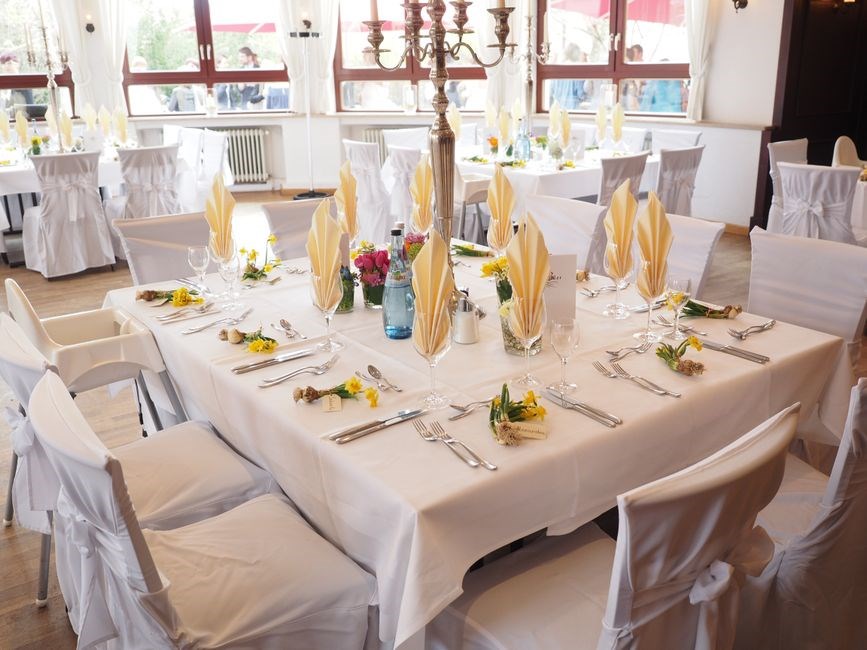
Common pitfalls include measuring only the tabletop, ignoring height; using inches instead of centimeters; forgetting to add drop length; selecting a fabric that is too light for a formal setting; and neglecting to account for table edge height variations. Double‑check measurementsand add a 2‑inch safety margin
Common Measurement Errors and Prevention Tips
When measuring for a tablecloth, several pitfalls can lead to ill‑fitting fabrics. First, measuring only the tabletop’s width or length while ignoring the height of the table’s edge can cause the cloth to hang too low or too high. Second, using a tape that is not level can produce skewed diameters for round tables, resulting in uneven drapes. Third, forgetting to add the desired drop length—typically 2–4 inches for casual settings and 4–6 inches for formal occasions—often leads to a tablecloth that either trails the floor or stops abruptly. Fourth, selecting a fabric that is too lightweight for a formal event can make the cloth appear translucent, while a heavy fabric on a casual table may look overly dramatic. Fifth, not accounting for the table’s shape—round, oval, rectangular, or square—can cause miscalculations in the required square footage. To prevent these errors, always measure the table’s height, use a level tape measure, double‑check diameters, and calculate drop length before cutting. Additionally, choose a fabric weight that matches the event’s tone and test a small swatch on the table to confirm drape and opacity. By following these steps, you’ll ensure a perfect fit and a polished look. Remember to double‑check measurements in both metric and imperial units, as rounding errors can lead to a cloth that is too short or too long, and always test a small swatch on the table to ensure the fabric’s drape and weight match the desired aesthetic. It finishes!!